
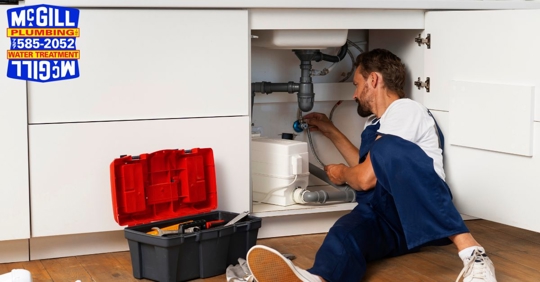
You walk into your bathroom, notice a faint musty smell, and wonder if it is just Florida humidity or something more serious hiding behind the walls. Maybe you have also seen a small ceiling stain, heard a gurgle in the kitchen sink, or noticed your water bill slowly creeping up even though your habits have not changed. These signs are easy to ignore, especially when everything still seems to work.
For homeowners in Largo and across Pinellas County, hidden plumbing issues often start with small clues like these. Many people assume that unless water is visibly leaking, their plumbing system is fine. In reality, many plumbing emergencies begin weeks or months earlier with subtle changes that did not seem urgent at the time.
At McGill Plumbing & Water Treatment, Inc., we have spent more than 50 years working in Largo homes of every age and style. We have seen how small warning signs can turn into major leaks, mold growth, and expensive repairs. In this guide, we explain common signs of hidden plumbing issues in Largo, what may be happening behind the scenes, and how plumbers locate problems without tearing your home apart.
Why Hidden Plumbing Issues Are Common in Largo Homes
Largo’s warm climate and high humidity make it easier for small leaks to remain hidden. When moisture builds up inside walls, under floors, or in cabinets, it does not dry out quickly. Instead, it lingers and slowly damages drywall, wood, and insulation while encouraging mold growth.
The age of many homes in Pinellas County also plays a role. Older properties often still contain galvanized steel pipes, aging copper lines, or cast iron sewer pipes. Over time these materials corrode, thin out, and eventually develop cracks or pinhole leaks. These failures frequently occur in places you cannot easily see, such as beneath slab foundations or behind walls.
Local water conditions can also contribute. Mineral buildup inside pipes can restrict water flow and increase pressure in certain areas of the system. Homes without properly functioning pressure regulators may experience higher water pressure than recommended, which gradually stresses pipes, fittings, and water heaters.
Because we have worked in Largo homes for decades, we often recognize patterns. Mid-century homes frequently experience slab leaks or cast iron drain deterioration, while newer homes may develop copper pinhole leaks inside walls.
Musty Odors and Mold Can Signal Hidden Leaks
In Florida, it is easy to blame musty smells on humidity. However, a persistent musty odor in one specific area often means moisture is trapped somewhere nearby.
Slow leaks from supply lines, drain connections, or shower components are common sources of hidden mold. Even a tiny drip from a loose pipe fitting can introduce moisture into drywall or framing day after day. Over time mold can develop on drywall backing, wood framing, or subflooring, eventually releasing the musty smell you notice.
Certain warning signs deserve attention:
- Mold that keeps returning in the same spot
- Peeling paint or bubbling drywall near plumbing walls
- Warped baseboards or cabinets
- Persistent damp odors in closets next to bathrooms
Many homeowners initially try to treat visible mold with cleaners or dehumidifiers. But unless the moisture source is repaired, the problem often returns. Locating and fixing the underlying leak is the only long-term solution.
Rising Water Bills Without Explanation
An unexpected increase in your water bill is one of the clearest indicators that water may be leaking somewhere out of sight. While seasonal irrigation or household changes can affect usage, a steady increase without explanation often signals a hidden plumbing problem.
Common causes include:
- Slab leaks beneath concrete foundations
- Underground irrigation leaks
- Toilets that run continuously
- Pinhole leaks in supply lines behind walls
Even a tiny leak can waste a surprising amount of water over time.
Homeowners can perform a simple check using their water meter. Turn off all faucets and appliances that use water, ensure irrigation is off, and watch the meter. If it continues moving, water is flowing somewhere in the system.
When homeowners contact us after noticing these signs, we use systematic leak detection methods to locate the issue without unnecessary damage to walls or floors.
Unusual Pipe Noises
Not all plumbing noises indicate a problem, but some sounds can reveal stress within the system.
Banging or knocking when a faucet shuts off is often caused by water hammer. When water flow suddenly stops, pressure surges through the pipes. Without proper cushioning or secure pipe supports, this force can stress fittings and joints over time.
Whistling or squealing faucets may signal mineral buildup or failing valves that restrict water flow. While these issues might start small, they can eventually lead to leaks or reduced water pressure.
Gurgling drains are another warning sign. A single slow drain may simply have a localized clog. However, if multiple fixtures gurgle when others drain, the issue may lie deeper in the main drain line or venting system.
Listening to these sounds and identifying when they occur can help plumbers narrow down the source of the problem before opening any walls.
Stains, Soft Spots, and Warm Floors
Visual changes in your home can also reveal hidden plumbing problems.
Ceiling stains beneath bathrooms or kitchens often indicate slow leaks from supply lines, shower valves, or drain connections. If a stain grows, darkens, or reappears after repainting, moisture is likely still present.
Soft or spongy flooring around toilets, tubs, or sinks can signal long-term water exposure beneath the surface. Loose toilet seals or leaking supply lines can allow water to seep into subfloor materials, weakening them over time.
Warm spots on tile or concrete floors may point to a slab leak involving hot water lines beneath the floor. When heated water escapes underground, warmth can radiate upward through the flooring surface.
These visual clues help plumbers focus inspections on the most likely problem areas.
Slow Drains and Sewer Odors
Drain problems often develop gradually before becoming severe.
A single slow drain may simply contain hair or soap buildup. However, when multiple drains in a home begin slowing down at the same time, it often indicates a partial blockage in the main sewer line.
Older cast iron or clay pipes common in Largo homes can corrode or crack, allowing debris to accumulate or tree roots to enter the line.
Sewer odors inside the home may also indicate problems. Plumbing traps normally hold water to block sewer gas. If a trap dries out, odors may appear temporarily. However, persistent sewer smells near frequently used fixtures may indicate cracked drain lines or failing seals.
In many cases, plumbers recommend a camera inspection of the sewer line. A small waterproof camera is inserted into the pipe, allowing technicians to see blockages, root intrusion, corrosion, or structural damage.
Finding Hidden Plumbing Problems Without Major Damage
Many homeowners worry that diagnosing a plumbing issue will involve opening multiple walls or floors. In reality, modern diagnostic methods allow plumbers to narrow down problems with minimal disruption.
The process usually begins with a conversation about the symptoms you have noticed. Understanding when the issue began and how it has changed helps identify possible causes.
Next, plumbers perform basic tests such as checking water pressure, inspecting accessible pipes, and monitoring the water meter. For drain problems, specific fixtures may be tested while others are observed.
Camera inspections can reveal conditions inside sewer lines without excavation. Only after these steps narrow down the location of a problem would small access points be created if necessary.
At McGill Plumbing & Water Treatment, Inc., our goal is always to identify the problem accurately while minimizing disruption to your home.
When to Call a Plumber
While minor quirks can occur in any home, certain patterns should prompt a professional inspection.
Consider contacting a plumber if you notice:
- Persistent musty smells in the same location
- Ceiling or wall stains that grow or reappear
- Soft flooring near plumbing fixtures
- Warm spots on floors
- Sudden increases in water bills
- The sound of running water when everything is off
- Multiple slow or gurgling drains
- Ongoing sewer odors
Providing details about when the issue started and where it appears can help plumbers diagnose the problem more quickly.
At McGill Plumbing & Water Treatment, Inc., we have served Largo and Pinellas County since 1968. As a family-owned company, we focus on honest recommendations, clear explanations, and upfront pricing so homeowners can address concerns before they turn into major repairs.
Protect Your Home by Acting Early
Most plumbing problems do not appear overnight. Your home usually provides early warning signs, whether through unusual smells, stains, pipe noises, slow drains, or rising water bills.
Recognizing these signals and addressing them early can prevent significant damage and expensive repairs. If you notice any of these signs in your Largo home, having a professional inspection can provide clarity and peace of mind.
At McGill Plumbing & Water Treatment, Inc., we are committed to helping Largo homeowners detect and resolve hidden plumbing issues with as little disruption as possible.
Call (727) 382-3849 today to schedule a same-day appointment or 24/7 emergency service for hidden plumbing issues in your Largo home.